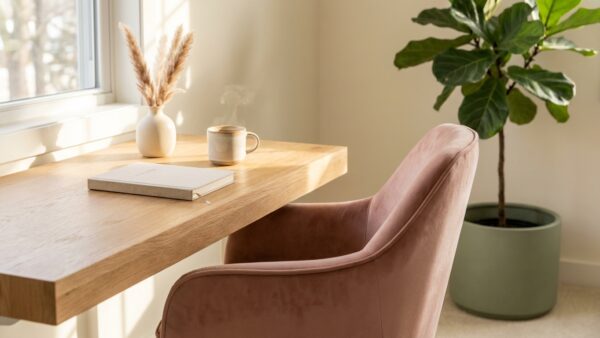
I used to start every workday the exact same way — phone in hand before my feet even hit the floor, mentally sprinting through a to-do list before I’d had a sip of water. It felt productive. It also left me exhausted by 11am, every single day, for no good reason.
The shift happened when I stopped trying to out-hustle everyone else’s version of a productive morning and built a version that actually felt like mine. Slower starts. Fewer things happening at once. Genuinely, my output didn’t drop. If anything, it got better, because I wasn’t running on empty by lunchtime anymore.
If the hustle-culture workday has been quietly wearing you down, here’s what an actual low-pressure version looks like, and why it still gets things done.
Why “Hustle Harder” Never Actually Felt Sustainable
If you’ve tried the 5am wake-up, cold plunge, ten-tabs-open productivity routine and it left you burnt out within a couple weeks, you’re honestly not alone in that. Most of that advice is built for a pace that isn’t actually sustainable long-term, even for the people posting about it.
You’ve probably also felt guilty for wanting a slower morning, like slowing down meant you weren’t serious about your goals. That guilt is doing a lot of unnecessary work — a calmer pace doesn’t mean less ambition, it just means a different relationship with how you get there.
But here’s the thing though — the softer version of a workday can still be a genuinely productive one.
What a Soft, Low-Pressure Morning Actually Looks Like
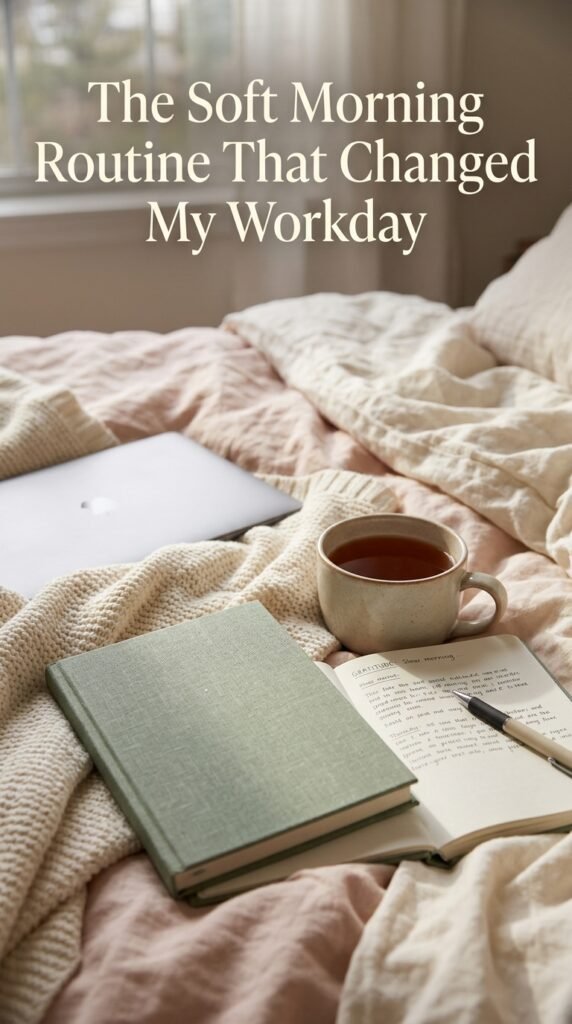
The biggest shift for me was removing the phone from the first twenty minutes of the day entirely. No email, no notifications, nothing urgent-feeling before I’ve even had tea. That alone changed how the rest of the morning unfolded, because I wasn’t starting from a reactive, slightly anxious place.
A soft morning routine doesn’t need to be elaborate. Tea, a few minutes of quiet, maybe journaling a sentence or two before opening a laptop at all. The goal isn’t a beautiful aesthetic routine — it’s genuinely just decompression before demands start.
Single-Tasking Over Ten Open Tabs
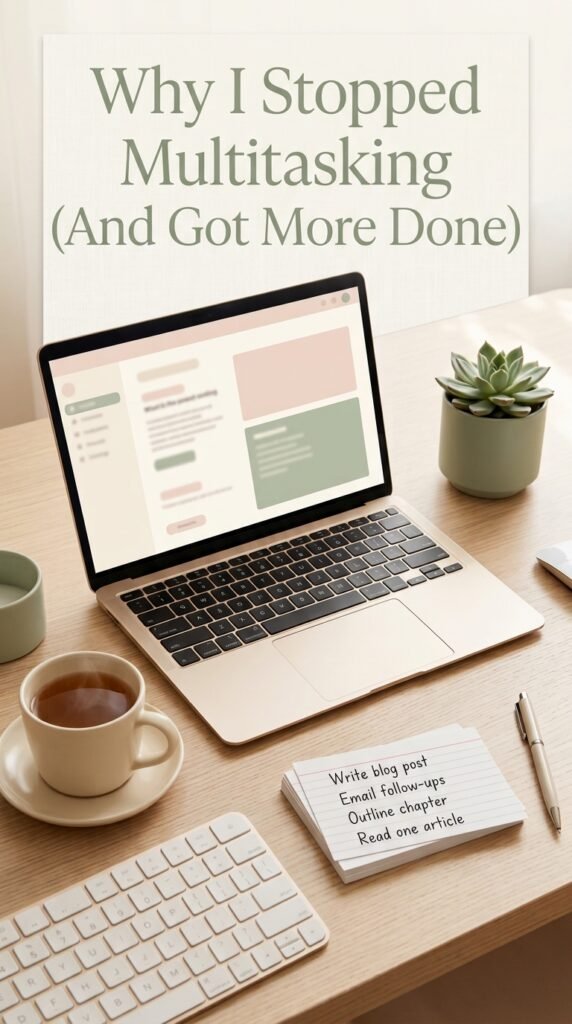
Soft productivity leans hard into doing one thing at a time, fully, instead of half-attending to five things at once. One task, a set stopping point, then a real pause before the next one — genuinely gentler on your nervous system than a constant multitask sprint, and it tends to produce better work too.
This is where a few of my own tools come in — batch-creating content with something like PinCraft AI means I’m not context-switching between writing captions, researching keywords, and designing pins all at once. One focused batch session replaces what used to be five scattered ones.
“Isn’t Single-Tasking Slower Though?”
It feels that way at first, honestly. But multitasking has a hidden cost — the mental switching between tasks is where a lot of wasted time actually goes, even though it feels busier in the moment. Single-tasking tends to get the same amount done in less total time once you account for that.
Gentle Checkpoints Instead of Rigid Hour-by-Hour Schedules
Instead of a schedule blocked into 30-minute chunks, I use three loose checkpoints across a day — a morning focus block, a midday reset, and an afternoon wind-down. No hour is a failure if it doesn’t go exactly as planned, because the structure was never that rigid to begin with.
This matters more than it sounds like. Rigid schedules create a low hum of anxiety when something runs long or gets interrupted. Loose checkpoints just quietly shift, and the day doesn’t feel derailed.
What This Feels Like a Few Weeks In
Picture reaching 3pm and still having energy left, instead of running on fumes since 11am. That’s genuinely the shift — not doing less, just spending your energy more intentionally across the day instead of front-loading anxiety into the first hour.
My actual task output hasn’t dropped since making this change. If anything, the work I do produce feels more considered, because I’m not making decisions from a place of low-grade panic anymore.
Your Workday Doesn’t Need to Sprint
You now know the real shift here: a soft phone-free morning, single-tasking over scattered multitasking, and loose checkpoints instead of rigid scheduling — none of which require doing less, just doing it with less pressure.
Start with just the phone-free morning this week and notice how the rest of the day feels different. And if you’re building an online business alongside all this, gentle, batch-friendly tools like PinCraft AI genuinely help protect this pace instead of working against it. No rush — it’ll be there when you’re ready. ✨
❓ Frequently Asked Questions
Does a low-pressure workday actually get less done?
Not necessarily. Removing the mental switching cost of constant multitasking often makes up for the slower pace, so total output tends to stay similar or improve.
How do I start a soft morning routine if mornings feel rushed?
Start with just one change — keeping your phone out of the first twenty minutes of the day — rather than overhauling the whole routine at once.
Is this approach realistic for someone with a busy schedule?
Yes — it’s less about having more free time and more about how that time is structured. Loose checkpoints work with a busy schedule better than rigid hour blocks do.
What’s the difference between single-tasking and just being slow?
Single-tasking means giving full attention to one thing at a time rather than splitting focus across several. It’s often faster overall once you factor in the time lost switching between tasks.
How long does it take to feel a difference from this approach?
Many people notice a difference within the first week, particularly in afternoon energy levels, since the biggest change is reducing early-morning stress rather than a long-term habit shift.
Try PinCraft AI Free Today
Design beautiful Pinterest pins in seconds with AI. Start your free trial — no credit card needed.

Helping creators use AI tools and Pinterest to build digital product income from home.